Spot or Full UV Coating: Decide What Your Artwork Needs
Choose spot or full UV coating with an artwork decision matrix covering coated areas, exclusions, registration, formulation and finished-piece trials.
AI-assisted editorial content, grounded in APL’s published product information. Confirm current specifications, suitability and supplied configuration with APL.
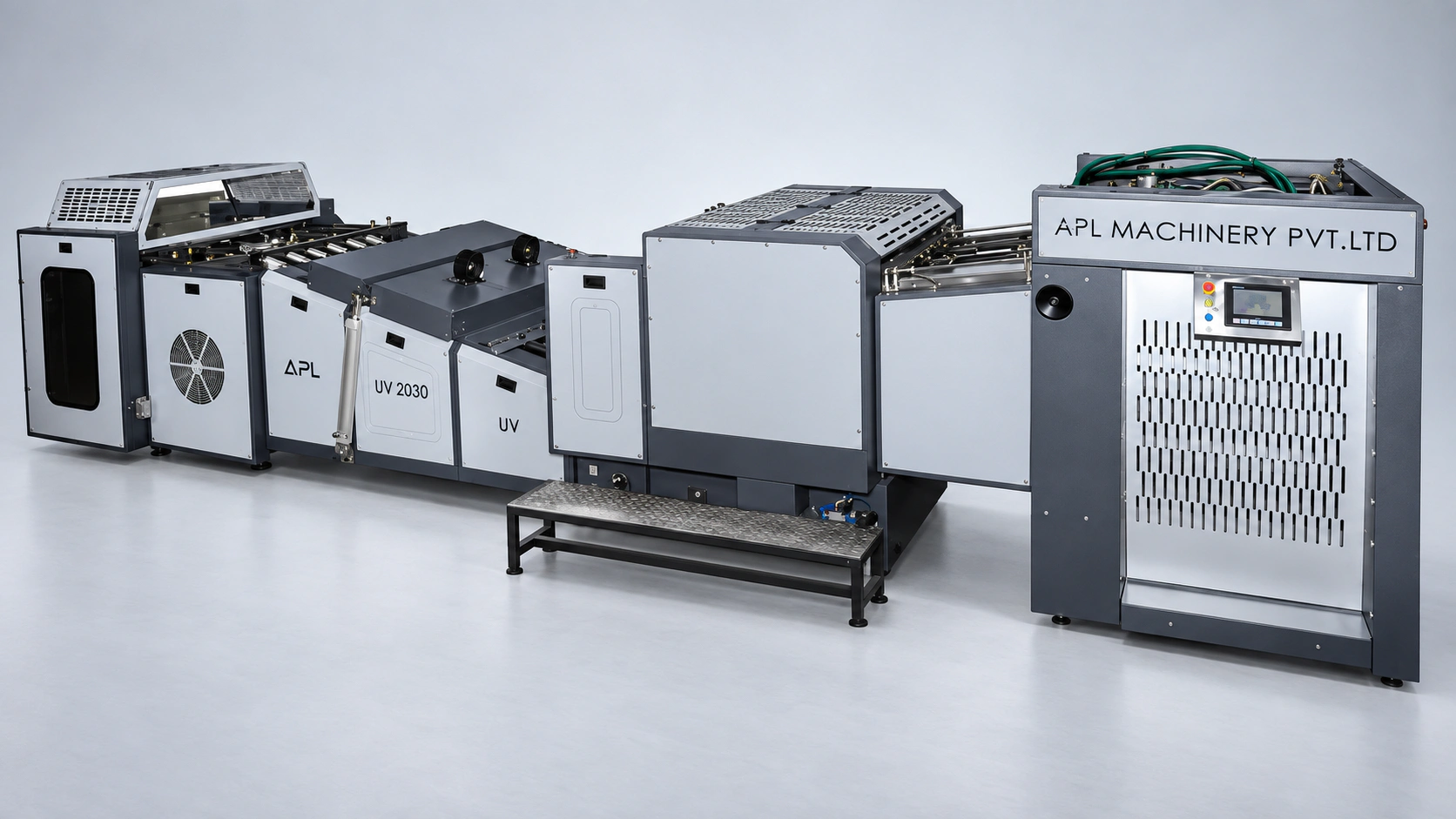
Should a printed job receive coating only on selected artwork, or across the intended sheet area? Start with the finished piece. A highlighted logo, an overall surface and an area reserved for another operation are different requirements. Mark them before choosing equipment.
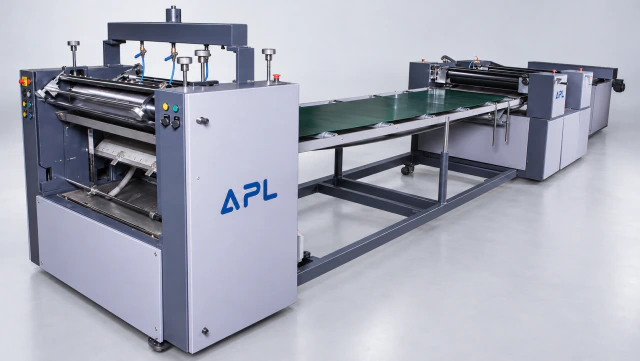
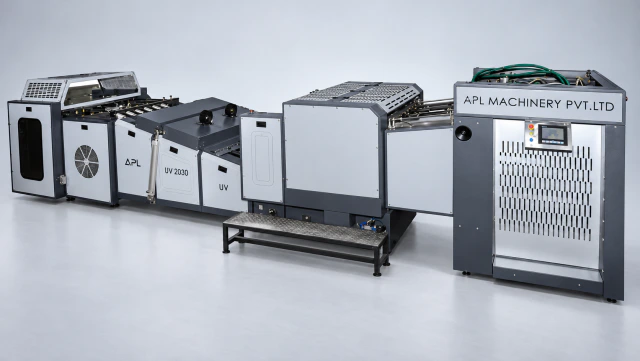
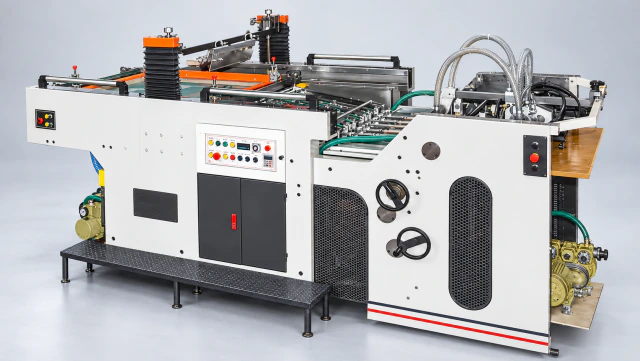
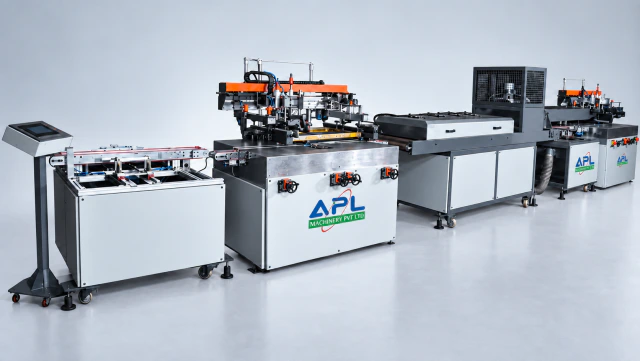
APL offers the APL-UV 2030 Spot & Full Coater and the UV2030 LED UV Gripper Model for spot and full coating discussions. The artwork, substrate, coating formulation and handling arrangement still define the application.
Choose the coverage before the surface effect
Spot coating means selecting areas to receive coating. Full coating means covering the agreed overall area. Treat those as coverage choices. Specify the required sheen, texture or appearance separately, with a physical target sample when possible.
For an overall finish, define the actual coating boundary and any exclusions. Do not leave “full sheet” as the only instruction when the piece has glue areas, folds, cut lines or a following operation. Ask APL and the relevant material supplier which areas should remain clear and how the artwork should show them.
Use an artwork decision matrix
| Finished-piece requirement | Coverage to discuss | What to mark or confirm |
|---|---|---|
| A logo or illustration needs emphasis | Spot coating on selected elements | Exact coated shapes, their position against the print and the intended surface effect |
| The overall printed face needs a specified finish | Full coating within an agreed boundary | Coverage limits, exclusions and the target appearance across the face |
| Some areas must remain available for another operation | Selective coverage or an overall area with exclusions | Glue, coding, cutting or other areas for a process-specific compatibility review |
| The brief combines different appearances | An application review before assuming one pass | Each effect, its location, proposed coating and any separate production stages |
The matrix is a briefing tool. It does not promise that every combination can be produced in one configuration or pass.
Send a coating layer that can be checked
Prepare a clearly identified coating layer alongside the printed artwork. Label coated areas and exclusions, and show how they align with the final sheet and cutting layout. Ask APL to confirm the required file format, separation method and production preparation before releasing the design.
Include fine details, narrow gaps and boundaries that must follow printed elements. Discuss what registration result the job needs and how the trial will be judged. A coating area that looks generous on screen should still be checked on the actual printed sample.
Match the formulation to the proposed drying arrangement
APL's product information describes UV varnish, aqueous coatings and primers across the range. That listing does not establish that every formulation uses the same drying or curing arrangement. Identify the proposed material and ask its supplier to confirm the relevant process requirements.
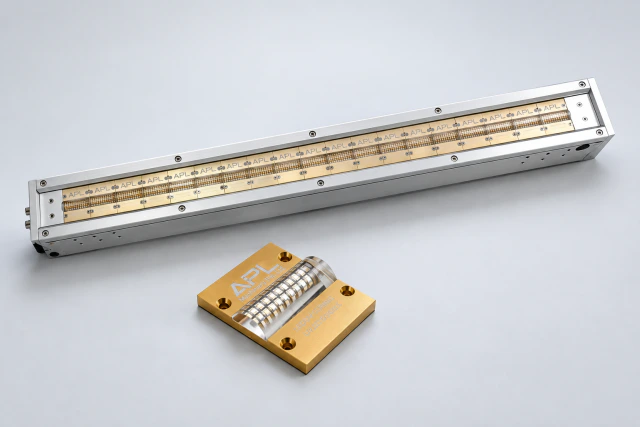
The gripper-model profile also covers differing lamp and drying configurations. Request the exact supplied configuration, including the curing technology and any other drying modules. Confirm it against the intended coating, substrate and production sequence.
Approve a representative finished piece
Use the production stock, printed artwork and proposed coating in the trial. Record the configuration and the sample identity so an accepted result can be traced.
- Compare coating boundaries with the approved artwork and printed features.
- Inspect the selected appearance across solid areas and fine details.
- Agree cure, adhesion and handling checks with the coating supplier and APL.
- Carry samples through the intended folding, cutting, gluing or other following steps.
- Keep accepted and rejected samples with the observations that explain each decision.
Assess the finished article rather than relying on an unrelated demonstration sheet. Record any artwork or material changes before approving the next trial.
Questions buyers often ask
Does spot coating automatically mean a raised effect?
Specify coverage and the desired effect separately. Ask for a sample of the proposed formulation and process rather than treating the word “spot” as the complete finish specification.
Does full coating remove the need for artwork preparation?
No. Agree the coverage boundary, exclusions and final layout. Confirm which production files and preparation the selected configuration requires.
Which route will cost less?
Request a job-specific comparison covering preparation, consumables, passes and accepted finished output. Coverage alone does not establish the full production cost.
Bring the marked artwork to APL
Send the substrate details, marked coating layer, target sample and following operations with your APL coating application enquiry. State whether you are considering spot coverage, full coverage or need help evaluating both.
Sources and further reading
- APL: UV2030 Spot & Full Coater — official application and configuration profile
- APL: UV2030 LED UV Gripper Model — official coating, transport and drying profile
These sources support the product information in this guide. APL assesses the final application, samples and configuration during a technical discussion.