3D Foil, Cold Foil or Cast-and-Cure for Packaging?
Compare packaging embellishment routes by the intended effect, substrate, artwork, registration and finishing tests before choosing a foil system.
AI-assisted editorial content, grounded in APL’s published product information. Confirm current specifications, suitability and supplied configuration with APL.
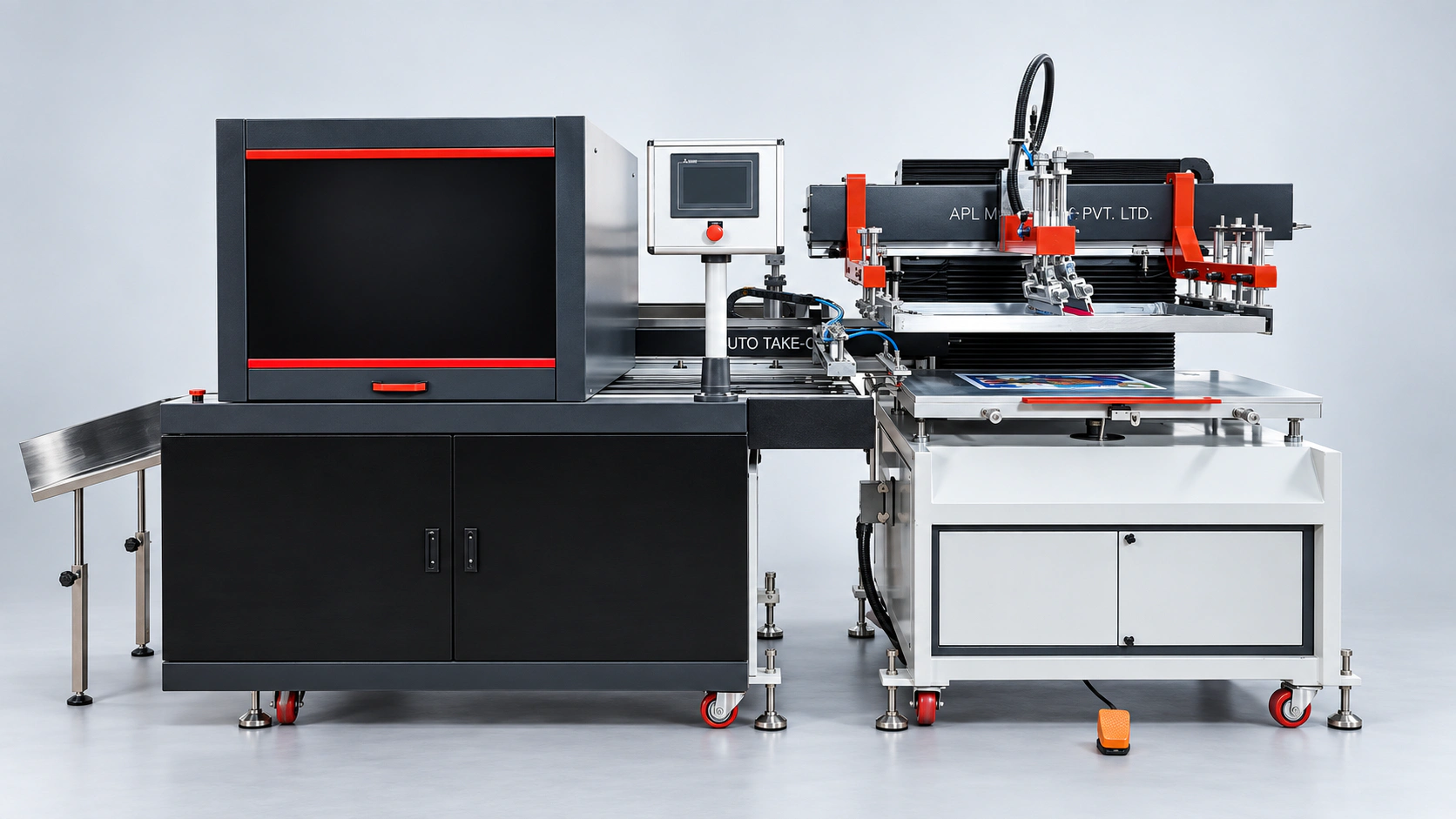
A packaging brief may ask for a metallic logo, a raised decorative detail or a patterned surface that changes with the viewing angle. Those requests describe different results. Choosing between 3D foil, cold foil or cast-and-cure starts by making the result precise and checking how it will be produced on the actual pack material.
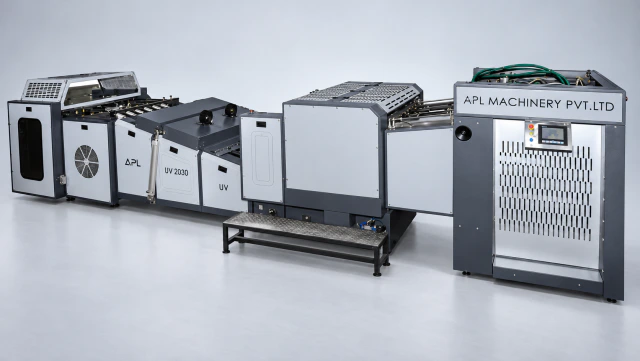
APL's 3D FOIL Evolution range describes hot foil, cold foil and cast-and-cure options. This guide helps converters build a process brief and a trial plan before selecting the configuration.
Separate the visual effect from the process name
“3D foil” can appear in a design brief as a request for a tactile or dimensional effect. It does not, by itself, explain the full production sequence. Ask whether the intended result depends on a raised coating, foil transfer, another forming step or a combination. Agree the effect on a physical reference sample.
Cold foil is a transfer process. The K Laser flexo process guide describes printed adhesive, contact with the foil, UV curing and removal of excess foil. Confirm offset or other arrangements separately. Eagle Systems explains cast-and-cure as patterning a wet UV coating with a casting film, curing it and separating the film. This differs from depositing metallic foil.
Build the brief around the required finish
| Design requirement | Route to discuss | What the trial should establish |
|---|---|---|
| A metallic logo or selected metallic area | The appropriate hot- or cold-foil arrangement | Coverage, edge definition, registration and adhesion on the selected stock |
| A tactile decorated detail | The proposed 3D effect and its complete layer sequence | The actual relief, appearance and behaviour after converting |
| A patterned or holographic coating effect | Cast-and-cure with the selected film and varnish | Pattern quality, coating compatibility and appearance over the artwork |
| Continuous decoration of roll-fed work | A roll-to-roll configuration suited to the process | Web handling, registration and compatibility with the following operation |
These are starting points for application discussions, rather than guarantees of a particular finish. A reflective effect seen on one sample may look different on a darker print, another coating or a different surface texture.
Check substrate, artwork and feed format together
Supply the board or film grade and its existing printed or coated surface. Include the sheet dimensions or roll specification, the decorated area and the final pack layout. Mark folds, cut lines, glue areas and any details that must stay free of decoration. This keeps the discussion tied to the finished pack.
Identify which design elements require tight registration and which are broad background effects. Include small lettering, fine lines, large solid areas and any proposed overprinting in the trial artwork. Ask how each element will be produced and inspected. Do not infer a usable decoration area from sheet size alone.
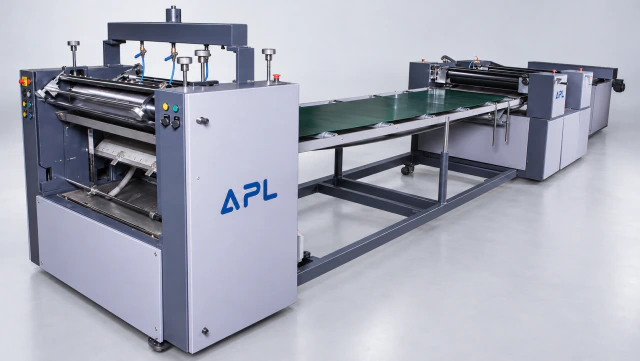
For continuous material, explore APL Roll-to-Roll 3D Foiling. Confirm the web specification and downstream handling for that configuration; sheet-fed reference details should not be carried over automatically.
Run the trial through the converting operation
A flat decorated sheet is an intermediate result for a folding carton. Evaluate the sample after the intended finishing sequence, as well as immediately after embellishment. Agree the sequence and acceptance criteria with your production team, APL and the relevant foil, film, adhesive or coating supplier.
- Use the actual production substrate, printed artwork and proposed consumables.
- Record the process order and configuration used for each sample.
- Inspect fine edges, solid coverage, registration and the intended optical or tactile effect.
- Assess adhesion and handling using methods agreed with the material suppliers.
- Carry representative samples through cutting, folding or other intended converting stages.
- Keep labelled samples, rejection reasons and any limitations discovered.
If decoration crosses a fold or sits close to a glue area, include that feature deliberately. Ask for a revised design or process when necessary, then evaluate the revised sample. This creates a practical approval record instead of relying on the appearance of an unrelated demonstration piece.
Compare the cost of accepted finished packs
A useful comparison includes setup, tooling where applicable, foil or casting film, adhesive or varnish, additional passes, labour and rejected work. Ask how material consumption is calculated for your artwork. Where a foil-saving arrangement is offered, request the relevant configuration and assumptions.
Eagle Systems describes rewinding the casting film for reuse. Do not assume a universal reuse count or saving for your work. Check the film, coating, handling and quality requirements. Compare routes on accepted finished output and an agreed job quantity.
Questions buyers often ask
Is cast-and-cure the same as metallic foiling?
No. Cast-and-cure forms a pattern in a UV coating with a casting film. Metallic foiling transfers a decorative foil layer. Ask to see both results on your artwork.
Can the same machine deliver every effect?
APL describes multiple process options for the range. Confirm the specific modules, consumables, feed format and supporting operations included in the proposal.
Which route will cost less?
That depends on the job, effect, quantity, setup and accepted yield. Request a comparison using the same artwork, substrate and finished-pack requirement.
Bring the packaging brief to APL
Explore APL digital printing and foiling technologies, then discuss your packaging embellishment trial. Share the artwork, material and a physical target sample, with the converting steps the finish must withstand.
Sources and further reading
- APL: 3D FOIL Evolution
- APL: Roll-to-Roll 3D Foiling
- Eagle Systems: Cast & Cure process
- K Laser Technology CFBU: Flexo Cold Foil Process
These sources support the product information in this guide. APL assesses the final application, samples and configuration during a technical discussion.