LED UV Retrofit Checklist: Is Your Printing Press Ready?
Plan an LED UV press retrofit with a practical checklist for ink compatibility, installation space, production trials and comparable operating costs.
AI-assisted editorial content, grounded in APL’s published product information. Confirm current specifications, suitability and supplied configuration with APL.
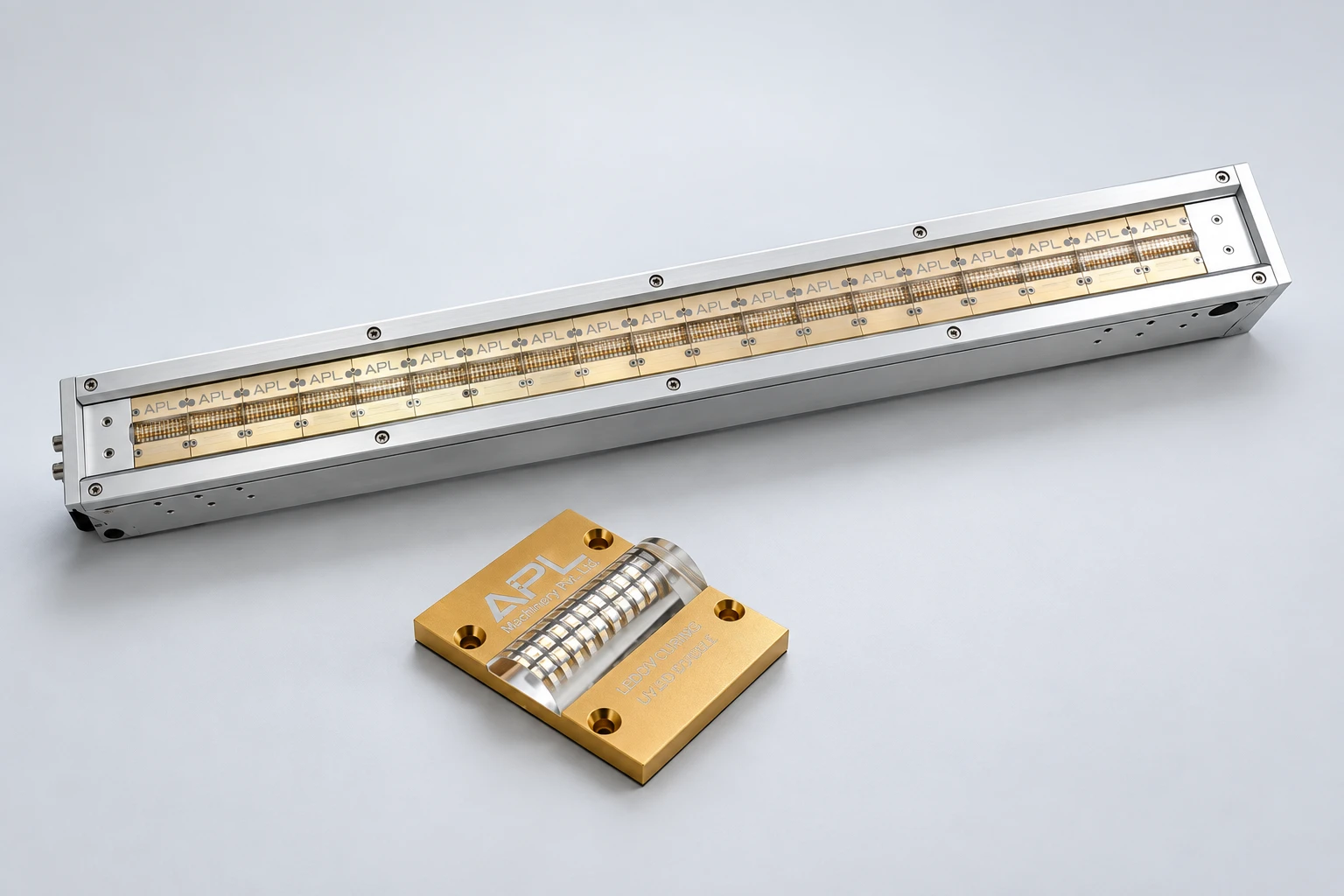
An LED UV retrofit decision starts with a production job, rather than a lamp catalogue. Which substrates must run, what ink or coating will be used, and what must happen immediately after printing? A folding carton converter preparing work for finishing may need a different assessment from a label printer managing a continuous web.
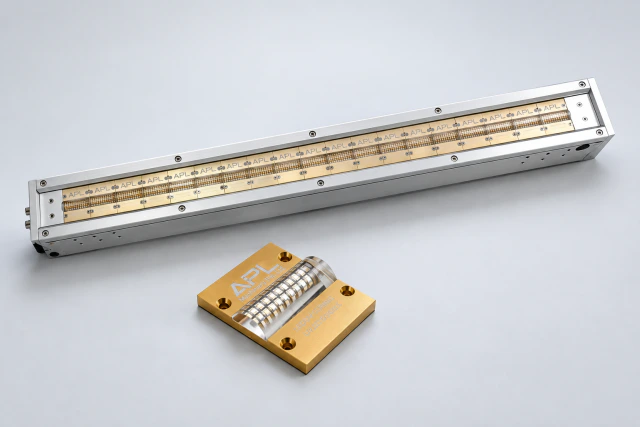
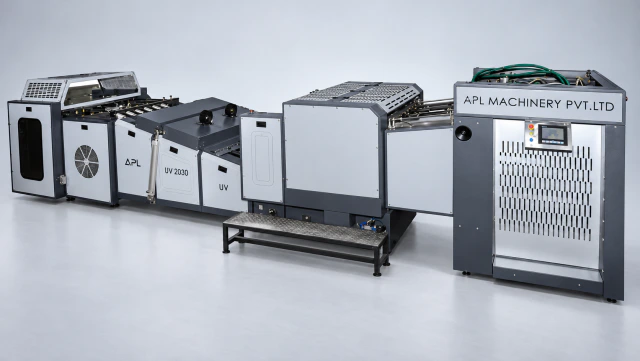
This LED UV retrofit checklist helps you prepare a useful technical discussion. APL offers LED UV for sheetfed offset and LED UV for flexo. The final installation still needs to be matched to the press and the intended work.
1. Describe the problem the retrofit should solve
Write down the current constraint: waiting before a finishing operation, limited substrate options, curing inconsistency on particular artwork, or the operating cost of the existing drying arrangement. Record how often it occurs and which jobs it affects. A measurable starting point makes a trial more useful than a general request for faster production.
Prepare one job sheet containing:
- Press make, model, printing process and installed drying equipment.
- Sheet or web width, substrate grade, thickness and surface treatment.
- Ink and coating names, suppliers, coverage and intended layer sequence.
- Usual production speed and the range the proposed installation must support.
- The next operation, such as stacking, folding, die cutting or further coating.
- A sample of acceptable output and examples of the problem you want to address.
2. Confirm the ink and coating system
Do not assume that an existing conventional UV formulation will work unchanged under LED UV. UV LED sources emit within a narrow wavelength range; the formulation must respond to that output. Phoseon's UV LED Basics explains this chemistry requirement.
Ask the ink or coating supplier to confirm compatibility with the proposed curing source. Include heavily covered areas, opaque colours and overprint coatings in that conversation. For a layered effect, review the complete sequence. A good result on a light test image does not establish suitability for every job in the production mix.
3. Review the actual installation space
Share photographs and a measured layout of the proposed curing position. Include the material path, surrounding guards, access doors and maintenance clearance. Ask APL to review mounting, cooling, electrical supply and control connections together. Avoid choosing a curing unit solely because its nominal working width matches the press.
Document what the system should do during normal running, a stop and a restart. Confirm the installation scope, the press interfaces and who supplies each part. APL's sheetfed product page describes instant LED switching; integration and operating procedures remain part of the specific retrofit discussion.
4. Agree a representative production trial
A useful trial is written before it is run. Select typical work and a demanding job from your current mix. Use the intended substrate and compatible formulation, and agree what constitutes an acceptable result with APL, the material supplier and your production team.
- Record the substrate, formulation, artwork and proposed curing arrangement.
- Run at the agreed speeds and settings, including the required coverage.
- Assess cure and adhesion using methods agreed with the formulation supplier.
- Inspect appearance, handling and the intended downstream operation.
- Record any setting changes, rejected output and unresolved observations.
- Keep labelled samples and a written result for each condition tested.
If one condition passes and another fails, retain both results. They help define the usable process window and any changes still required. A trial should produce an application-specific decision, rather than an unsupported claim that every stock or ink will work.
5. Compare operating costs on the same basis
Request an estimate based on your jobs and operating hours. Include the curing system, cooling and other relevant auxiliaries, then compare energy use per accepted job or accepted output. Record setup time, consumables, service scope and any ink or coating changes. Separate measured trial data from assumptions used in the estimate.
Instant switching can be relevant to stop-start work, but it does not establish a universal saving or payback period. Ask for the figures and conditions behind a proposal before making a purchase decision.
Questions buyers often ask
Can my existing press be retrofitted?
Suitability needs a review of the press, curing positions, controls and application. Send the make, model, layout and representative job details for an assessment.
Will my current inks work?
Ask the formulation supplier to confirm LED compatibility. Validate the selected ink and coating combination on the intended substrate during a trial.
Can one cassette cover all my work?
APL describes single-cassette arrangements for suitable applications. The required coverage, layers, speed and installation determine what should be specified; a published example does not settle every job.
Prepare your retrofit enquiry
Review the APL LED UV systems range, then discuss your press retrofit with APL. Include the job sheet, layout photographs and trial samples so the conversation can focus on feasibility and the next technical step.
Sources and further reading
These sources support the product information in this guide. APL assesses the final application, samples and configuration during a technical discussion.